5 Winning Campaign Strategies from Democratic Leaders and NDTC Learners Emily Randall & Mindy O'Neall
8 min

Table of contents
Know the Job You’re Running For Before You Run for It
Ground Your Campaign in Local Issues
Be Prepared for Difficult Work, But Remember Why You Started
Value Your Time and Structure it with Purpose
Build a Team With Complementary Skills And Let Them Do Their Jobs

Running for office for the first time is intimidating, especially if you're a Democrat in a challenging district. From running a field program to learning internal regulations, navigating a run for office comes with lots of questions. Our goal at NDTC is to cut out the confusion and provide every candidate with the campaign training, resources, and confidence they need to win.
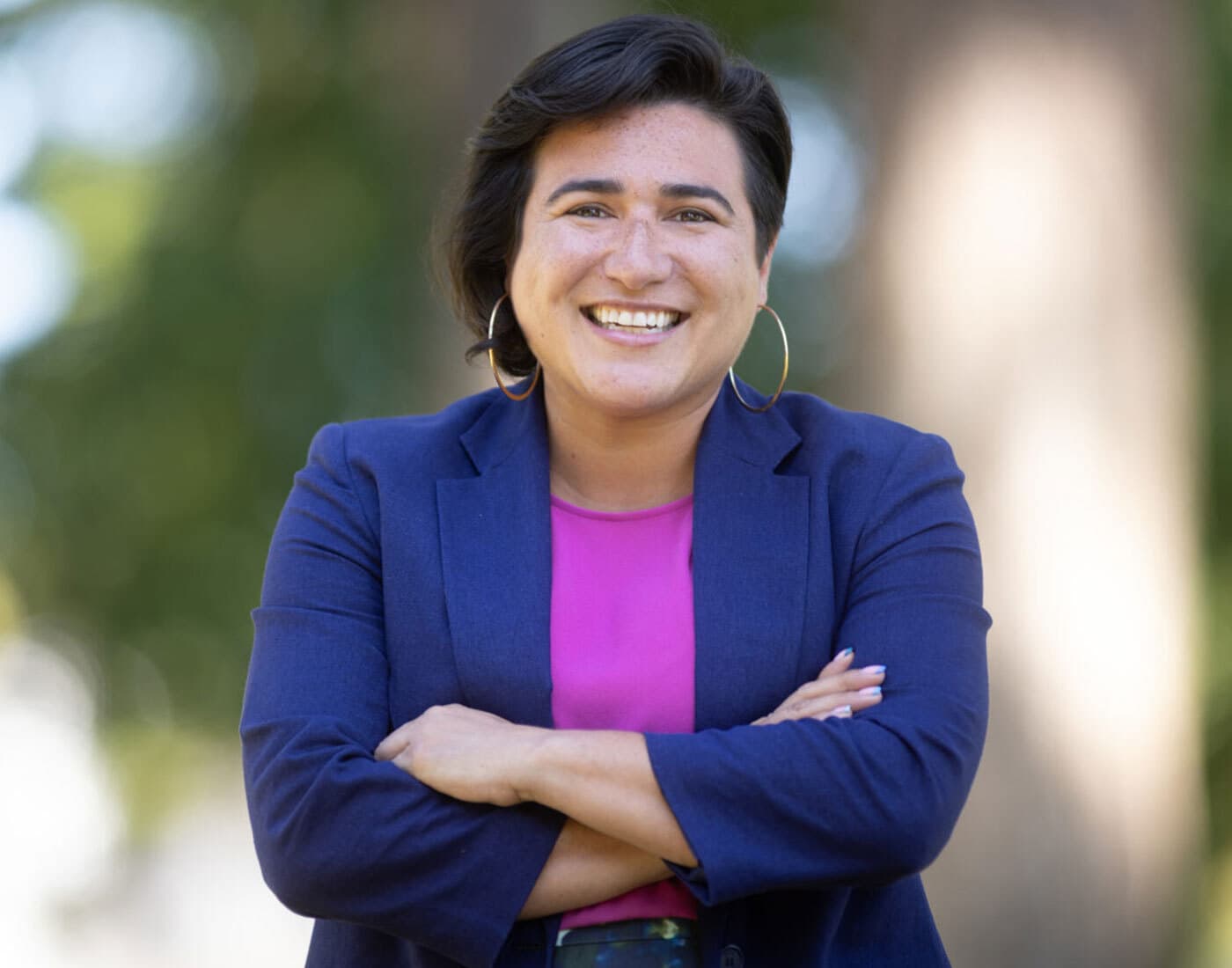
Washington Representative Emily Randall and Fairbanks, Alaska, Mayor Mindy O'Neall give us candid, practical advice to candidates in NDTC interviews. Their insights reflect the heart of NDTC’s mission: running for office is a learned skill. With the right training, structure, and support, you can run and win.
Here are five campaign takeaways from these two leaders — grounded in real-world experience, hard lessons, and big wins.
1. Know the Job You’re Running For Before You Run for It
Campaign training for both the trail and the role you’re seeking was a recurring theme from both electeds.
"I encourage folks to really engage with the body that they're running for, before they run for it," stated Representative Randall. She stresses that campaigning and governing are fundamentally different skillsets: “The work of getting elected is very different from the work of governing. There are some skills that are certainly transferable, but running for office teaches you almost nothing about the way to pass bills or to serve as an executive or whatever the role is.”
Her advice? Meet with current officeholders (even those you disagree with), attend city council meetings, observe committee hearings, and become familiar with the day-to-day routines of the position. This matters beyond preparing your platform — it also helps you determine whether you will find the work enjoyable and whether you are a good fit for the institutional realities of the job.
Mayor O'Neall reiterates the importance of understanding structure and setting expectations, citing her experience working for political parties as helping her understand how campaigns function and the importance of a data-driven approach. Beyond technical tools, understanding the specifics of the role will help you succeed if elected.
2. Ground Your Campaign in Local Issues
Randall’s advice emphasizing institutional know-how goes hand-in-hand with O’Neall’s focus on connecting authentically with your electorate, especially in places that seem “unwinnable.”
You’ve got to balance your ground game with politics. What many wrote off as a Republican area, O'Neall won in Fairbanks by concentrating on issues that were important to her community rather than party lines. She notes, “We leaned into the issues where we could connect with people on a local, personal level.”
Her point is clear: voters elect their representatives based on whether they feel understood, rather than just party labels. For O'Neall, this meant addressing housing issues, protecting Fairbanks’ Indigenous population, and restoring dignity to every member of her community. It won her widespread support, even from those who might not normally vote blue.
In competitive or red districts, this strategy is particularly effective for first-time candidates. It serves as a reminder that when attempting to mobilize voters, local relevance can be more important than national party identity.
3. Be Prepared for Difficult Work, But Remember Why You Started
Both leaders remind us that campaigning and governing involve sacrifice, unpredictability, and long days.
Randall shared a lighthearted but telling anecdote about sleeping in a parking garage to catch an early flight: “I also have to worry about food going bad in two fridges, and sometimes pack produce in my carry-on.”
Public service isn’t glamorous most of the time. Long flights, early mornings, time away from family, and a never-ending stream of meetings and constituent needs are all part of the job. But Randall also shared the deeper source of resilience that keeps her grounded: community connection.
“I think about my neighbors… who are so committed to taking care of each other… and that’s really inspiring to me.”
O'Neall's account of what motivated her to run — hearing divisive remarks about marginalized neighbors — is another case of how important it is to run with purpose. Both officials are motivated by a desire to serve and uphold the values of their communities.
4. Value Your Time and Structure it with Purpose
Running a campaign can feel like you're being pulled in a thousand different directions at once. O’Neall’s advice on this point was practical but essential: “I really wish I had known how much time is a resource… all you have is time.”
She urges candidates to make every conversation, door knock, and voter interaction count toward specific campaign objectives. She found that when you’re running for office, prioritizing both organization and intentionality prevents burnout and builds progress.
5. Build a Campaign Team With Complementary Skills And Let Them Do Their Jobs
One common thread between both successful leaders is that candidates can’t (and shouldn’t) do everything themselves.
O'Neall's team, which was mostly made up of non-political professionals, relied on shared responsibility, delegation, and campaign training. She was able to concentrate on voter contact by separating her role as a candidate from the other campaign roles, like social media and direct mail.
Randall also acknowledges the extent to which she relies on committed employees and community organizers to put her ideas into practice.
This level of collaboration and cooperation is more than just helpful. It gives candidates a competitive advantage over others scrambling to do everything themselves.
Running for office puts your endurance, organization, and leadership to the test. However, as Randall and O'Neall prove, campaign training and role preparation, authentic messaging, and community focus will position you for greater impact, both on the campaign trail and in office.
Whether you’re ready to start your campaign journey or merely curious, NDTC is ready to help you learn the skills, access the tools, and build the confidence needed to step into leadership. We’ll train you to run for office, organize your campaign, and become an impactful leader within your community — all for free! So if you’re ready to join our 960+ learners who won their elections in 2025, check us out at traindems.org.

